The Art of Crafting High-Quality Leather Garments

Leather garments have long been a symbol of style, durability, and craftsmanship. From jackets to bags, leather items are not just functional but also carry an air of sophistication and timelessness. In this blog post, we will explore the intricate art of crafting high-quality leather garments, focusing on the materials, techniques, and care that contribute to their longevity and appeal.

Understanding Leather Types
Before diving into the crafting process, it’s essential to understand the different types of leather available. Each type has unique characteristics that affect the final product.
Full-Grain Leather
Full-grain leather is the highest quality leather available. It retains the natural grain of the hide, showcasing its unique imperfections. This type of leather is incredibly durable and develops a beautiful patina over time, making it a favorite for high-end garments.
Top-Grain Leather
Top-grain leather is slightly less durable than full-grain but is more affordable. It is sanded and treated to remove imperfections, resulting in a smoother finish. This type is often used in fashion items where a polished look is desired.
Genuine Leather
Genuine leather is made from the lower layers of the hide and is often treated to improve its appearance. While it is more affordable, it lacks the durability and quality of full-grain and top-grain leathers.
Suede and Nubuck
Suede is made from the inner layer of the hide, while nubuck is made from the outer layer but sanded to create a soft texture. Both types are popular for their unique feel but require more care to maintain their appearance.
The Crafting Process
Creating high-quality leather garments involves several steps, each requiring skill and attention to detail.
Design and Pattern Making
The first step in crafting leather garments is designing the piece. This involves sketching the garment and creating a pattern. The pattern serves as a template for cutting the leather. Precision is crucial here, as any mistakes can lead to wasted materials.
Selecting the Right Leather
Choosing the right leather is vital for the garment's final look and feel. Factors to consider include the type of leather, color, and texture. High-quality leather can be more expensive, but it pays off in durability and appearance.
Cutting the Leather
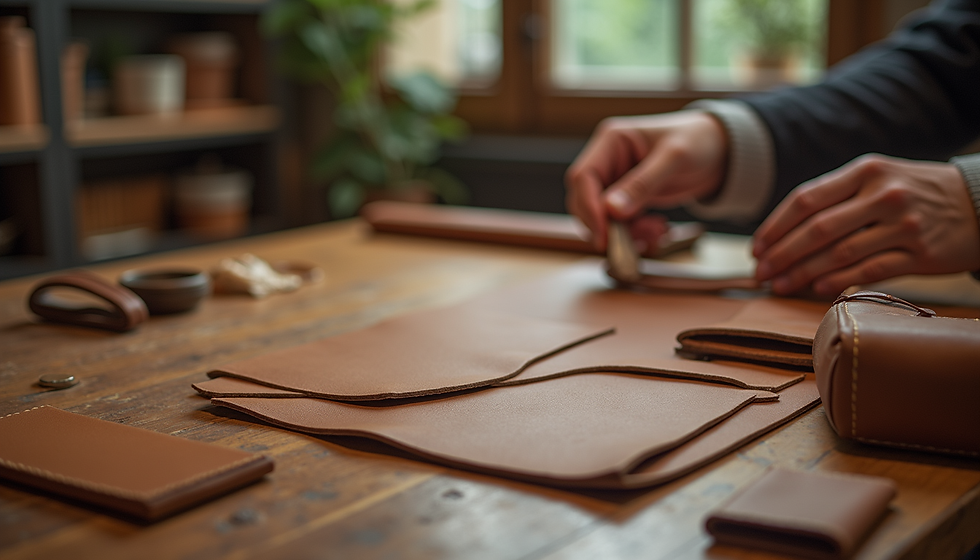
Once the pattern is ready, the leather is cut according to the design. This process requires sharp tools and a steady hand. It’s essential to cut accurately to ensure that all pieces fit together seamlessly.
Stitching and Assembly
After cutting, the pieces are stitched together. This step is where the craftsmanship truly shines. Skilled artisans often use techniques like saddle stitching, which creates a strong and durable seam. The choice of thread color and type can also enhance the garment's aesthetic.
Finishing Touches
The final step involves adding finishing touches such as zippers, buttons, and linings. These elements not only enhance the garment's functionality but also contribute to its overall style.
Caring for Leather Garments
To maintain the beauty and longevity of leather garments, proper care is essential. Here are some tips:
Cleaning
Regular cleaning helps prevent dirt and grime buildup. Use a soft, damp cloth to wipe down the surface. For deeper cleaning, consider using a leather cleaner specifically designed for the type of leather you have.
Conditioning
Leather can dry out over time, leading to cracks and stiffness. Conditioning the leather with a quality leather conditioner helps keep it supple and nourished. Apply the conditioner sparingly and buff it with a soft cloth.
Storage
When not in use, store leather garments in a cool, dry place. Avoid hanging them in direct sunlight, as this can cause fading. Use padded hangers to maintain the garment's shape.
Avoiding Water Damage
Leather is not waterproof, so it’s essential to protect it from moisture. If your leather garment gets wet, gently blot the excess water with a soft cloth and let it air dry away from direct heat sources.
The Importance of Craftsmanship
High-quality leather garments are a result of skilled craftsmanship. Artisans spend years honing their skills, learning the nuances of leatherworking. This dedication to the craft is what sets high-quality leather garments apart from mass-produced items.
The Role of Tradition
Many leather crafting techniques have been passed down through generations. These traditional methods often involve hand-stitching and the use of time-honored tools. Supporting artisans who practice these techniques not only preserves the craft but also ensures that you receive a unique, high-quality product.
Customization and Personalization
One of the benefits of investing in high-quality leather garments is the opportunity for customization. Many artisans offer bespoke services, allowing you to choose the leather type, color, and design elements. This personal touch makes the garment truly one-of-a-kind.
Conclusion
Crafting high-quality leather garments is an art that combines skill, tradition, and attention to detail. From selecting the right leather to the final finishing touches, each step plays a crucial role in creating a piece that is not only functional but also a work of art. By understanding the process and caring for your leather garments, you can enjoy their beauty and durability for years to come.
Investing in high-quality leather is not just about fashion; it’s about supporting craftsmanship and sustainability. So, the next time you consider adding a leather piece to your wardrobe, remember the artistry behind it and choose wisely.
Comments